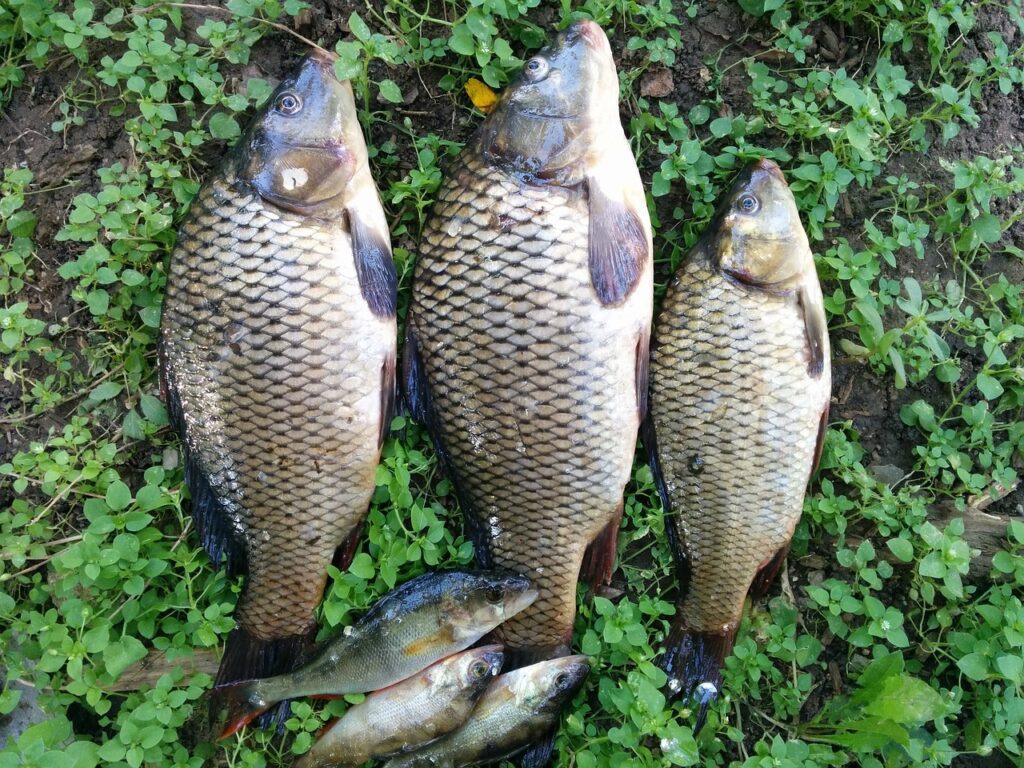
The Asian Carp Invasion
As you navigate the waters of U.S. waterways, the looming presence of the Asian Carp invasion casts a shadow over the delicate balance of aquatic ecosystems.
With their insidious spread and disruptive impact on native species, these invasive fish pose a formidable challenge that demands attention and action.
The question remains: How can we effectively combat this invasive species to safeguard the ecological integrity of our interconnected water bodies?
Origins of the Asian Carp
The Asian carp, originally introduced to the United States in the 1970s, quickly established itself in the freshwater ecosystems of the Mississippi River basin.
These fish were brought over to help control algae in aquaculture ponds but escaped into the wild due to flooding.
Once in the wild, the Asian carp’s rapid reproduction rate and lack of natural predators allowed them to thrive and spread rapidly throughout the waterways of the Midwest.
Over time, these invasive carp species, including the bighead, silver, grass, and black carp, have posed a significant threat to the native aquatic ecosystems in the United States.
Their voracious appetites and ability to outcompete native fish for resources have led to concerns about the long-term impact on the biodiversity of these freshwater habitats.
Efforts to control and mitigate the spread of Asian carp have become crucial to protect the delicate balance of these ecosystems and preserve native species.
Ecological Impact on Native Species
Frequently outcompeting native species, Asian carp have had a profound ecological impact on the freshwater ecosystems of the United States.
These invasive fish disrupt the balance of aquatic environments by consuming vast amounts of plankton, the base of the food chain.
This voracious feeding behavior deprives native fish of their primary food source, leading to declines in populations of species like shad and herring.
Additionally, Asian carp reproduce rapidly, further exacerbating their impact on native species by quickly increasing their numbers and dominating the available resources.
The ecological consequences of Asian carp extend beyond direct competition for food.
Their habit of leaping out of the water when startled poses a threat to native fish by causing injuries and altering behavior patterns.
Furthermore, the presence of Asian carp can disturb habitats and spawning grounds, affecting the reproductive success of native species.
As a result, the invasion of Asian carp has far-reaching implications for the delicate balance of freshwater ecosystems in the United States.
Spread Throughout U.S. Waterways
Asian carp have rapidly expanded their presence throughout various waterways in the United States.
Originally introduced in the southern states to control algae and parasites in aquaculture ponds, these invasive fish have since made their way into the Mississippi River basin and beyond.
Due to their high reproductive rate and lack of natural predators in the U.S., Asian carp have spread rapidly, outcompeting native species for food and habitat.
In recent years, sightings of Asian carp have been reported in the Great Lakes, raising concerns about their potential impact on the region’s ecosystem.
Efforts to prevent their further spread include the installation of electric barriers and increased monitoring of waterways.
However, the challenge remains to contain these voracious fish and prevent them from establishing self-sustaining populations in new areas.
As Asian carp continue to proliferate in U.S. waterways, urgent action is needed to address this growing threat to native aquatic species and ecosystems.
Collaborative efforts between government agencies, environmental organizations, and local communities are crucial to effectively managing and mitigating the spread of these invasive fish.
Challenges in Containment
Handling the containment of these invasive fish poses significant obstacles for those responsible for managing U.S. waterways.
Asian carp are notorious for their ability to quickly reproduce and outcompete native species for resources.
This poses a major challenge as containing their spread requires constant vigilance and innovative strategies.
One of the primary challenges in containing Asian carp is their high mobility.
These fish are strong swimmers and can easily bypass physical barriers meant to keep them contained.
Additionally, their ability to adapt to various environmental conditions makes it difficult to predict where they might establish new populations.
Another obstacle to containment is the sheer size of the waterways they inhabit.
U.S. water systems are extensive and interconnected, providing numerous entry points for Asian carp to invade new areas.
This makes it challenging to implement effective containment measures across all affected regions.
Strategies for Mitigation
Mitigating the spread of Asian carp requires implementing a range of targeted strategies to address their rapid proliferation and mobility.
One effective method is the installation of physical barriers in waterways to prevent the movement of these invasive species.
By constructing barriers such as electric fish fences or underwater sound systems, you can impede the carp’s progress and limit their ability to infiltrate new areas.
Additionally, employing commercial fishing operations specifically targeting Asian carp can help reduce their population numbers.
These operations not only serve as a means of controlling the carp but also offer economic opportunities for fishermen in the region.
Furthermore, promoting the consumption of Asian carp as a food source can create a market demand that assists in reducing their numbers.
Encouraging the public to incorporate Asian carp into their diet can help diminish the population while providing a sustainable solution to the issue.
As you reflect on the Asian Carp invasion in the U.S., remember the urgency of addressing this ecological threat.
With their rapid spread and devastating impact on native species, proactive measures are essential for protecting our waterways.
Stay informed and support efforts to contain and mitigate the spread of these invasive fish to safeguard the delicate balance of aquatic ecosystems.
Your involvement can make a difference in preserving the health of our waters for future generations.