Over Fishing
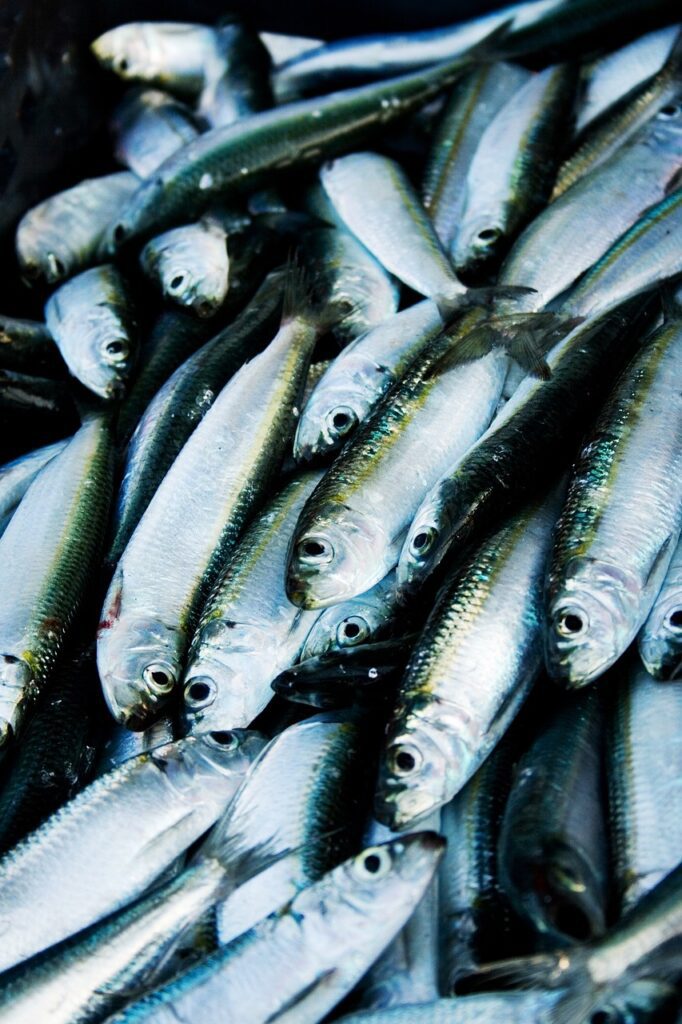
Fishing has indeed been a fundamental activity for human survival and sustenance for thousands of years.
However, modern fishing practices, particularly industrialized and commercial fishing, have brought about a range of environmental and ecological challenges, including overfishing.
This occurs when fishing activities extract fish from a population at a rate that exceeds the population’s natural ability to reproduce and replenish itself.
This can lead to the depletion of fish stocks and disrupt entire marine ecosystems. Some of the key issues related to overfishing include:
- Decline in Fish Populations: This can cause the population of certain fish species to decrease dramatically, potentially leading to the collapse of these species. This not only threatens the fish themselves but also the livelihoods of fishing communities that rely on these species for income and sustenance.
- Ecosystem Imbalance: Fish play important roles in marine ecosystems by controlling prey populations and maintaining ecological balance. This can disrupt these dynamics, leading to cascading effects on other species and the overall health of the ecosystem.
- Bycatch: Modern fishing methods often result in unintentional capture of non-target species (bycatch), including species that are endangered or have low populations. This further exacerbates ecological imbalances and threatens vulnerable species.
- Habitat Destruction: Certain fishing practices, like bottom trawling, can cause physical damage to sensitive marine habitats, such as coral reefs and seafloor ecosystems, disrupting these vital habitats.
- Economic Impact: This can lead to long-term economic consequences, including the collapse of fishing industries, loss of jobs, and decreased availability of fish products for consumers.
- Global Food Security: Fish are a critical source of protein and nutrition for many people around the world. It can jeopardize global food security, particularly for vulnerable populations in developing countries.
To address these issues, there has been a growing emphasis on sustainable fishing practices and fisheries management.
Sustainable fishing aims to harvest fish in a way that allows populations to regenerate, minimizes ecological impact, and supports the long-term viability of this industries.
This often involves setting fishing quotas, implementing size limits, protecting spawning areas, and adopting more selective and less damaging fishing methods.
Efforts are also being made to raise public awareness about the importance of responsible seafood consumption and to promote alternative sources of protein to reduce the pressure on fish stocks.
Collaborative international agreements and organizations are working to establish guidelines and regulations to manage these practices on a global scale.
While so much has deep historical roots as a source of sustenance, modern practices have led to challenges .
Addressing these challenges requires a concerted effort to adopt sustainable able practices and promote responsible consumption to ensure the long-term health of our oceans and the species that inhabit them.