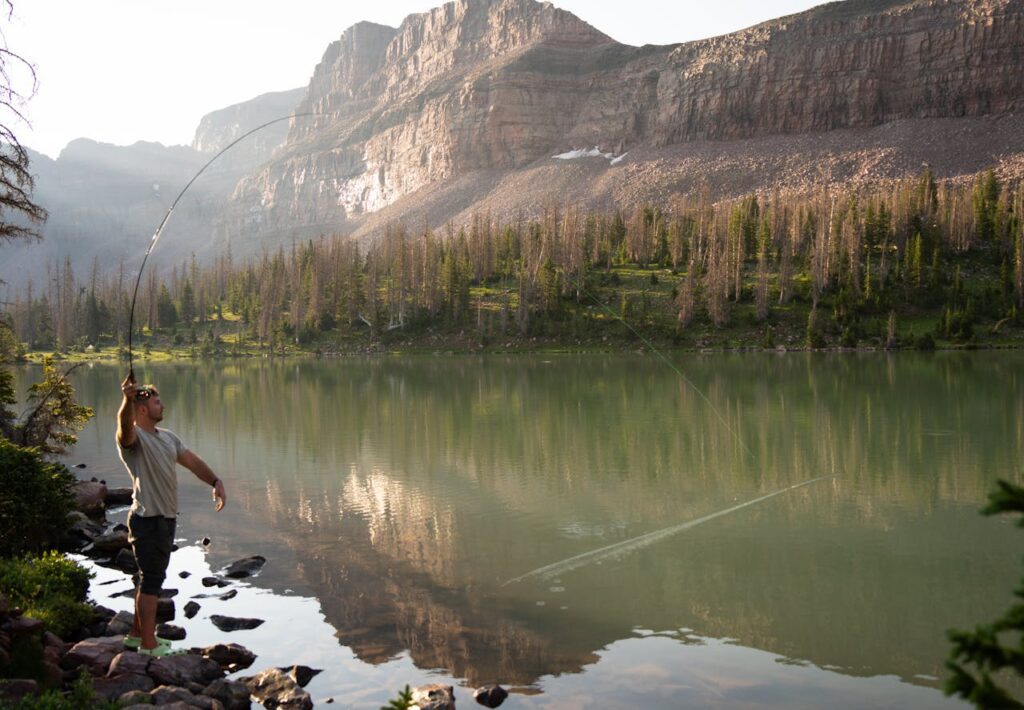
The Art of Fly Fishing
When you think about fly fishing, it’s more than just catching fish with the art of fly fishing.
It’s about connecting with nature and honing your skills.
You’ll need to understand the basics, gear up appropriately, and master casting techniques.
Choosing the right flies is a game-changer too.
But what about the impact of your fishing on the environment?
Let’s explore how you can practice fly fishing while respecting our aquatic ecosystems.
Understanding the Basics of Fly Fishing
Whether you’re a beginner or looking to refine your skills, understanding the basics of fly fishing is essential for a successful outing.
First, you’ll want to familiarize yourself with the fundamental techniques, such as casting, mending, and drifts.
Mastering the cast allows you to present your fly naturally, while mending helps control the line on the water’s surface.
Next, learn to read the water; different fish species prefer various habitats, so knowing where to cast is vital.
Observing insect activity can also guide your fly selection, as matching the hatch increases your chances of success.
Lastly, practice patience and persistence; fly fishing often requires time and practice.
Embrace the learning process, and you’ll find joy in every outing.
Essential Gear and Equipment for Fly Fishing
Having a solid grasp of the basics sets you up for success, but having the right gear can make all the difference in your fly-fishing experience.
Start with a quality fly rod and reel, as they greatly influence your casting and fish fighting abilities.
Don’t forget to choose the right fly line—weight-forward lines are often recommended for beginners.
You’ll also need an assortment of flies tailored to the species you’re targeting.
A sturdy landing net is essential for safely bringing fish in, while waders and boots keep you comfortable and dry.
Lastly, pack a tackle box with leaders, tippets, and other tools.
With this essential gear, you’ll be well-prepared for a rewarding day on the water.
Techniques for Effective Casting
Mastering the art of effective casting is crucial to your success on the water.
Start by establishing a solid stance; keep your feet shoulder-width apart and maintain a relaxed grip on the rod.
Practice the basic overhead cast, raising the rod smoothly to a 10 o’clock position before flicking it forward to 2 o’clock.
Ensure you have a good back cast, allowing the line to load the rod.
Timing is key—let the line straighten behind you before moving forward.
Incorporate a smooth acceleration and a crisp stop at the end of your cast.
Lastly, focus on your target, visualizing where you want your fly to land.
With practice, these techniques will significantly improve your accuracy and distance.
Choosing the Right Flies for Different Conditions
Casting techniques set the stage for success, but choosing the right flies can make all the difference when you’re out on the water.
First, consider the time of year and local insect activity; matching your fly to what fish are naturally feeding on is crucial.
During warmer months, dry flies like mayflies or caddis can entice surface-feeding fish, while nymphs work wonders below the surface.
In cooler conditions, streamers can mimic baitfish, attracting larger predators.
Pay attention to water clarity and current speed, too; bright colors can stand out in murky waters, while subtle, natural tones excel in clear streams.
Ultimately, experimenting with different flies will help you find what works best for your specific fishing conditions.
Happy fishing!
Conservation and Ethics in Fly Fishing
While enjoying the thrill of fly fishing, it’s essential to remember our responsibility to preserve the natural environments we cherish.
Practicing catch-and-release helps maintain fish populations, ensuring future generations can enjoy the sport.
Always handle fish gently and minimize their time out of water.
Respect local regulations and guidelines; they exist for a reason.
Be mindful of your surroundings—avoid littering and adhere to designated paths to protect fragile ecosystems.
Educating yourself on the local flora and fauna enriches your experience while fostering a deeper appreciation for nature.
In mastering the art of fly fishing, you not only enhance your skills but also deepen your connection with nature.
By understanding the essentials, selecting the right gear, and practicing effective techniques, you set yourself up for success.
Remember to choose your flies wisely and always respect the environment.
Your commitment to conservation ensures that future generations can enjoy the beauty of our aquatic ecosystems.
So, grab your rod, get out there, and embrace the journey with the art of fly fishing!