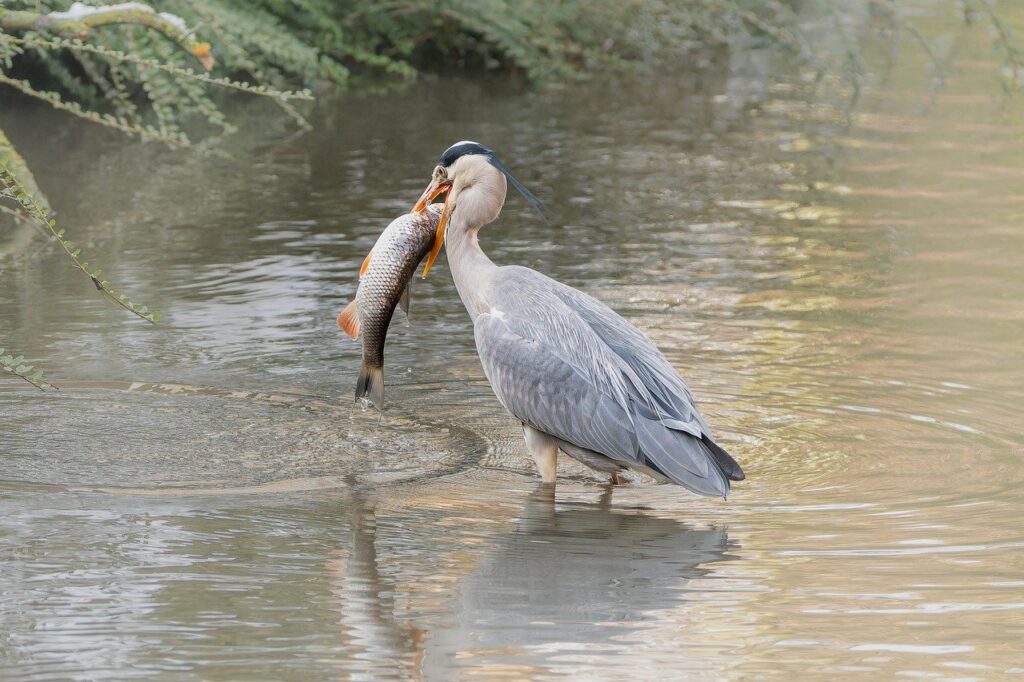
When Fish Are on the Bed
When fish are on the bed, you’re stepping into a unique phase of their life cycle that can transform your angling experience When Fish Are on the Bed.
This spawning behavior not only dictates where you’ll find them, but also how aggressive they can be in defending their nests.
Understanding the right techniques and locations can make all the difference in your success.
But what specific strategies should you employ to maximize your catch while respecting the delicate balance of nature?
The answers might surprise you.
Understanding Spawning Behavior
Understanding spawning behavior is crucial for any angler looking to improve their fishing success.
During the spawning season, many fish species, like bass and sunfish, become more aggressive and territorial as they prepare to reproduce.
You’ll often find them in shallow water, actively defending their nests.
This is the ideal time to target them.
Pay attention to the water temperature; most fish spawn when it reaches around 60 to 75 degrees Fahrenheit.
Look for signs of nesting behavior, like fish hovering near the bottom or darting in and out of vegetation.
Males typically establish and guard nests, while females come in to lay eggs.
You should also consider the moon phases, as they can influence spawning activity.
Fish often spawn around the full moon or new moon, so it’s wise to plan your fishing trips accordingly.
When you find spawning fish, be mindful of their sensitivity.
Overly aggressive approaches can scare them off.
Instead, use finesse techniques to entice them without causing too much disturbance.
By understanding these patterns, you’ll significantly increase your chances of landing that trophy catch.
Best Fishing Techniques
While you’re targeting spawning fish, using the right techniques can make all the difference.
First, focus on lighter tackle. Spawning fish can be wary, so use a sensitive rod and light line to enhance your feel and presentation.
Crankbaits and soft plastics work well but choose colors that mimic local baitfish or natural colors for a more realistic approach.
Next, consider the time of day.
Early mornings and late afternoons are prime times for spawning fish, as they’re more active during these cooler parts of the day.
When you cast, aim for shallow areas near the nesting sites; this is where you’ll find the most action.
Don’t forget to employ a slow, deliberate retrieve.
Fish are often less aggressive during spawning, so a slow presentation gives them time to investigate.
You can also try a finesse technique like Texas rigging or drop-shotting to entice those picky eaters.
Lastly, be patient. Spawning fish can be finicky, and it may take time to trigger a bite.
By using these techniques, you’ll increase your chances of landing that trophy fish while respecting their spawning behavior.
Ideal Locations to Fish
Finding the right spots to fish during spawning season can significantly boost your success.
Focus on shallow areas, especially around rocky structures, submerged vegetation, or sandy bottoms.
These locations provide ideal nesting sites for fish, making them prime targets for your fishing efforts.
Pay attention to the edges of these structures where fish often hang out.
Look for places with warmer water, as fish are attracted to these areas during spawning.
The sun’s rays warm the shallows quicker, drawing fish in and increasing your chances of a catch.
Don’t forget to scout out current and wind patterns.
Fish often position themselves where food is abundant, which can be near the mouths of creeks and rivers or in areas with ample baitfish.
Consider fishing during dawn and dusk when fish are more active and likely to be near their beds.
Additionally, check local regulations and guidelines, as certain areas might’ve restrictions during spawning season.
Essential Gear and Tackle
To make the most of your fishing trips during spawning season, having the right gear and tackle is just as important as knowing where to cast your line.
Start with a quality fishing rod and reel combo that suits the species you’re targeting.
A medium-action rod, paired with a spinning reel, can provide the sensitivity and strength you need.
When it comes to line, opt for a braided line with a test strength appropriate for the fish you’re after; this will give you the durability and low visibility required for clear waters.
Don’t forget about terminal tackle.
Use hooks that match the size of your bait and consider adding a sinker to help your bait reach the bottom.
For lures, stick with finesse presentations like soft plastics or jigs, as these can be more effective during spawning.
If you’re using live bait, make sure you have the right size and type—such as minnows or worms.
A tackle box stocked with extra hooks, weights, and tools like pliers will keep you prepared.
Finally, a good fishing net ensures you can land your catch without hassle.
With this essential gear, you’ll be ready for a successful day on the water.
Tips for Successful Angling
Successful angling during the spawning season requires a mix of patience and strategy.
First, focus on timing.
Early mornings or late afternoons are often the best times to catch fish, as they tend to be more active.
Knowing the moon phases can also help; fish often spawn during a full moon.
Next, choose the right location.
Look for shallow areas with vegetation, as these spots attract spawning fish.
Don’t hesitate to scout multiple locations to find where the action is happening.
When it comes to bait, opt for soft plastics or live bait that mimics the fish’s natural diet.
Targeting nesting sites can yield good results but be gentle; fish are more likely to bite if they feel undisturbed.
Lastly, practice catch-and-release, when possible, especially during the spawning season.
This helps maintain the fish population for future generations.
When fish are on the bed, you can significantly increase your chances of a successful catch by understanding their spawning behavior and employing the right techniques.
Focus on those ideal locations with rocky structures and vegetation, especially during early mornings and late afternoons.
Remember to use finesse techniques to avoid disturbing the fish.
With the right gear and a gentle approach, you’ll find yourself reeling in more fish while respecting their natural spawning cycle.