Using Lite Tackle
When it comes to angling, utilizing lite tackle can significantly enhance your fishing experience.
The finesse and control it offers can make a substantial difference in your success rate.
From feeling every nibble to maneuvering with ease, it opens up a world of possibilities on the water.
But there’s more to it than just the gear – mastering the techniques and understanding the nuances can truly elevate your game.
So, are you ready to take your fishing skills to the next level?
Benefits of Lite Tackle
Embracing lite tackle fishing enhances your agility and precision on the water.
The lightweight gear allows you to maneuver swiftly, making it easier to cast accurately and react swiftly to fish movements.
With this tackle, you can feel even the slightest nibble, giving you the advantage of a quicker hook set.
This increased sensitivity not only improves your chances of hooking a fish but also makes the fight more thrilling and engaging.
Ideal Fish Species for Lite Tackle
To get the most out of your lite tackle gear, it’s important to target fish species that are well-suited for this lightweight equipment.
Certain fish species are perfect matches for this tackle due to their size, fighting ability, and the thrill they provide when hooked on lighter gear.
One ideal fish species for this type of tackle is the crappie.
These panfish are known for their scrappy fights and can be effectively targeted with lite tackle setups.
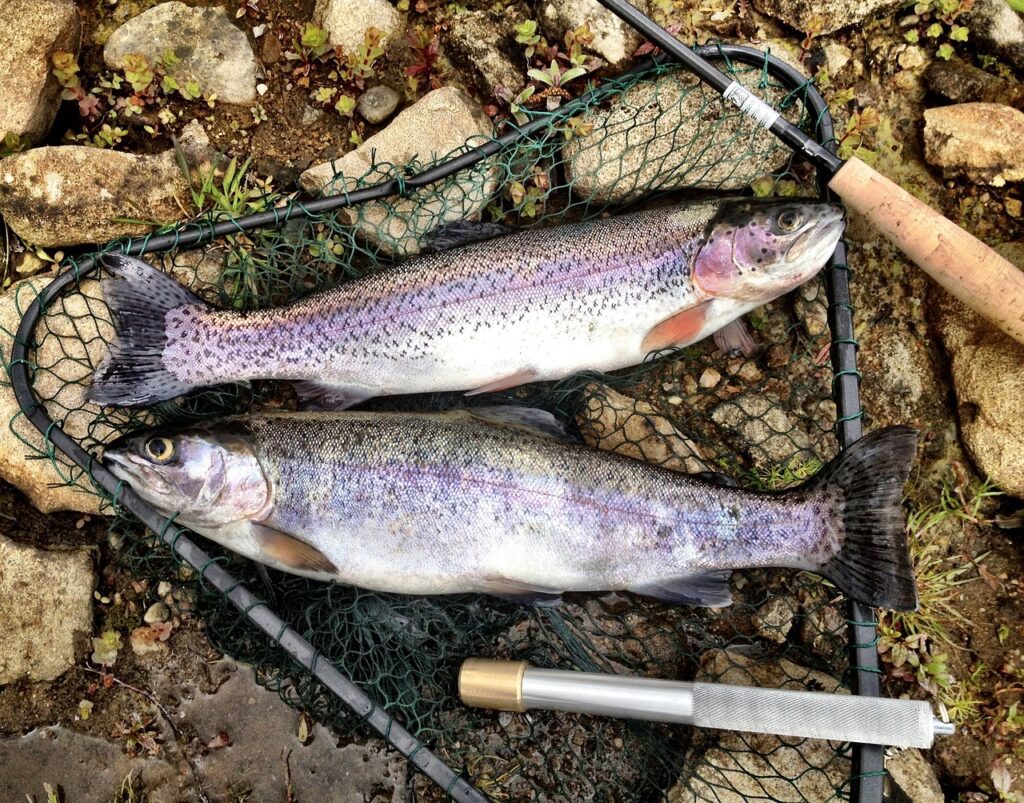
Another excellent option is the trout, which are often found in streams and rivers. Trout put up a good fight and is a great challenge for lite tackle enthusiasts.
Additionally, bass, especially smallmouth and largemouth bass, are popular targets for using this tackle due to their aggressive nature and strong fighting abilities.
Lastly, targeting panfish like bluegill and sunfish can provide enjoyable angling experiences with lite tackle.
By focusing on these ideal fish species, you can make the most of your lite tackle gear and have a rewarding fishing adventure.
Gear Selection Tips
Consider key factors when selecting gear for your lite tackle setup to optimize your fishing experience.
Start by choosing a lightweight rod and reel combo that matches the size of the fish you aim to catch.
A medium-light to medium action rod paired with a small spinning reel is often a versatile choice for various fish species.
Opt for monofilament or fluorocarbon lines in the 6 to 10-pound test range to maintain sensitivity while still having the strength to handle a decent fight.
When it comes to terminal tackle, select hooks, weights, and lures that are appropriate for the fish you’re targeting.
For this tackle, hooks in sizes 1 to 2/0 work well for a wide range of species.
Use split shots or small sinkers to adjust your bait’s depth, and carry an assortment of small jigs, spinners, and soft plastics to entice bites.
Lastly, don’t forget about accessories like polarized sunglasses, a hat for sun protection, and a small tackle box to keep your gear organized.
Techniques for Success
Utilize proper casting techniques to effectively target and lure in fish while using lite tackle.
When fishing with lite tackle, accuracy and finesse are key.
Start by mastering the overhead cast, ensuring a smooth motion to prevent startling the fish.
Light lines and lures require a delicate touch, so practice casting with precision to land your bait softly on the water’s surface.
Once your bait is in the water, employ a gentle retrieve to mimic natural movements.
Lite tackle is designed to provide a more realistic presentation, so avoid jerky motions that can scare off cautious fish.
Pay close attention to your line for any subtle movements that could indicate a bite.
When a fish strikes, resist the urge to immediately set the hook with force.
Instead, gently lift your rod tip to allow the hook to set itself.
Lite tackle requires finesse and patience, so take your time to reel in your catch steadily.
Safety Considerations
Ensure proper safety measures are in place when fishing with lite tackle to prevent accidents and injuries.
Start by always wearing a personal flotation device (PFD) when on the water, even if you’re a strong swimmer.
Check the weather forecast before heading out to avoid unexpected storms or rough conditions.
When casting, be mindful of your surroundings and avoid casting over others or near obstacles that could cause entanglement.
Sharp hooks are essential for successful fishing, but they can also pose a safety risk if mishandled.
Always handle hooks with care and use a hook remover tool to minimize the risk of accidental injuries.
Keep your fishing gear organized to prevent tripping hazards on the boat or shore.
Lastly, stay hydrated and protected from the sun by wearing sunscreen and a hat.
So, next time you hit the water, don’t forget to grab your lite tackle gear for a more agile and thrilling fishing experience.
With increased sensitivity, precision, and excitement, targeting species like crappie, trout, bass, and panfish will be more rewarding than ever.
Remember to choose the right gear, practice proper techniques, and prioritize safety for a successful and enjoyable fishing adventure.
Happy fishing!