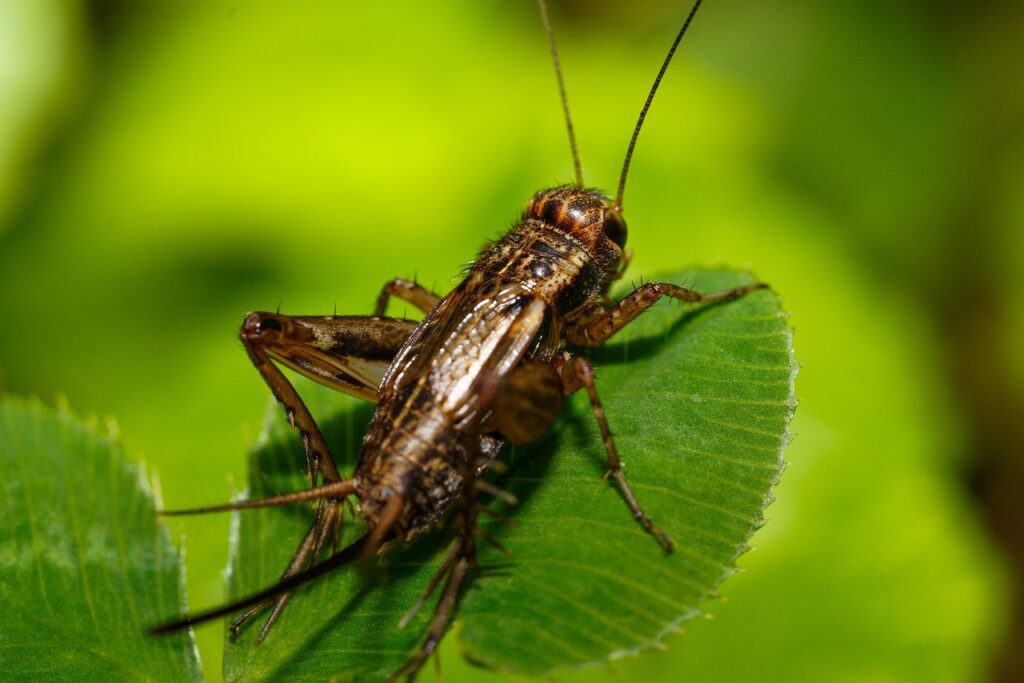
Using Crickets for Bait
You’ve likely used worms or artificial lures, but have you considered crickets for your next fishing trip?
These lively little insects could be your ticket to a successful catch due to their natural appeal to fish.
Crickets, with their erratic movements and chirping, mimic distressed prey, making them irresistible to both freshwater and saltwater species.
While they’re effective, there are nuances in selection and technique that can make a significant difference.
You’ll want to know how to choose the right cricket, keep it lively, and hook it properly to maximize its potential.
Curious about how this can transform your fishing experience?
Benefits of Crickets as Bait
Crickets offer a highly effective bait option due to their lively movements and distinct chirping, which attract a variety of fish.
You’ll find that these little critters can entice both freshwater and saltwater species, making them incredibly versatile.
Their natural behavior in water mimics struggling prey, an irresistible lure for predatory fish.
Using crickets as bait also gives you an edge in stealth.
They’re smaller and less obtrusive than many artificial lures, so you’re less likely to spook wary fish.
This subtlety can be crucial when you’re targeting species that are easily alarmed by unnatural disturbances in their habitat.
Moreover, crickets are relatively easy to handle.
You don’t need any complex rigging or special techniques to use them effectively.
Simply hook them through the thorax or the hind legs to keep them lively and appealing.
Their endurance on the hook ensures they remain active longer, giving you more time to attract the fish’s attention.
Choosing the Right Crickets
Now that you understand the benefits of using crickets as bait, let’s explore how to select the right ones for your fishing needs.
First, you’ll want to consider the size of the crickets.
Generally, smaller crickets are better for smaller fish like panfish, while larger crickets are ideal for targeting bigger species such as bass.
It’s all about matching the bait size to the prey that your target fish would naturally eat.
Next, look at the cricket’s activity level.
Lively crickets tend to attract more fish as their vigorous movements trigger the predatory instincts of fish.
When you’re picking them out, opt for the ones that are actively hopping around; these are typically healthier and more appealing to fish.
Color is another factor to consider.
While most crickets are naturally a brownish color, some bait shops offer dyed crickets in colors like green or yellow, which can be very effective in murky waters where visibility is low.
Experiment with different colors to see what works best in the waters you’re fishing.
Storing and Keeping Crickets Alive
To ensure your crickets remain lively and effective as bait, it’s essential to store them properly.
First, you’ll need a container that allows for adequate ventilation.
A plastic storage tub with a lid you can puncture for air holes, or a commercially available cricket keeper, works well.
Make sure the container isn’t exposed to direct sunlight or extreme temperatures, as crickets thrive best in a cool, shaded environment.
Next, consider the bedding for your crickets.
Egg cartons or crumpled paper provide excellent hiding spots and climbing surfaces, which help reduce stress and cannibalism among the crickets.
For substrate, a simple layer of soil or vermiculite will absorb waste and help maintain humidity.
Humidity and hydration are crucial.
Crickets need moisture, but too much can lead to mold and health issues.
Include a shallow water dish with cotton or sponge to prevent drowning, and mist the inside of the container lightly if it becomes too dry.
Feeding your crickets will keep them nourished and lively.
A regular diet of fruits, vegetables, and commercial cricket food ensures they’re healthy and appealing to fish.
Techniques for Hooking Crickets
When hooking crickets for bait, it’s crucial to ensure they remain active and appealing to fish.
You’ll want to handle them gently to keep them lively, which makes them irresistible to your target.
The most effective way to hook a cricket involves inserting the hook from the rear and threading it through the thorax.
This method allows the cricket to move naturally in the water, attracting more fish.
You might also consider hooking the cricket under the collar, between its head and body.
This placement minimizes damage to the cricket, keeping it alive longer while ensuring it stays securely on the hook during casts.
Remember, the key is to pierce the cricket without severing any vital organs, which could kill it prematurely.
For a less common yet effective approach, try hooking the cricket by one of its hind legs.
This technique is particularly useful in slower waters where subtle movements make a big difference.
It allows the cricket to struggle vividly, creating vibrations in the water that fish find difficult to ignore.
Lastly, always check your cricket’s condition and re-hook if necessary.
A lively, well-hooked cricket not only lasts longer but also significantly increases your chances of a successful catch.
Best Fishing Spots for Cricket Bait
After mastering the art of hooking crickets, you’ll need to know where to cast your line for the best results with cricket bait.
Start by scouting out freshwater streams and rivers, especially those with a good flow and plenty of hiding spots for fish.
These environments are often teeming with smaller fish that prey on insects, making them ideal for cricket bait.
Look for areas where the water breaks around rocks or fallen logs.
These natural structures create calm pockets in the water, where fish like to gather and feed.
You’re likely to find bass and trout in these spots, eagerly waiting for your cricket to float by.
Don’t overlook ponds and lakes either.
During the warmer months, fish often feed near the surface early in the morning or later in the evening.
During these times, toss your line near lily pads or overhanging trees.
Such areas are hotspots for panfish and bass that are attracted to the natural movement of crickets.
Now that you’ve got the scoop on using crickets as bait, you’re set to enhance your fishing game.
Choose lively, appropriately-sized crickets, keep them kicking with proper storage, and master the hooking technique for maximum effect.
Hit those prime fishing spots with confidence.
Remember, the natural behavior of crickets not only attracts fish but can also give you the upper hand.
So, go ahead, let those crickets do the charming and enjoy reeling in your catch!