Guide to Light Fishing Tackle
When it comes to mastering the art of light tackle fishing, the key lies in the precision of your gear and techniques.
Imagine the thrill of feeling every nibble and experiencing the adrenaline rush of a fish putting up a fierce fight.
But what truly sets apart successful anglers in this realm?
It’s not just about the equipment you choose or the lures you use; it’s about the finesse and skill you bring to each cast.
Stay tuned to uncover the secrets that will elevate your light tackle fishing game to new heights.
Benefits of Light Tackle Fishing
Experience the thrill of light tackle fishing with its enhanced maneuverability and increased sensitivity, allowing for a more exciting and engaging angling experience.
Light tackle fishing provides you with the opportunity to feel every nibble and movement of the fish more acutely, leading to a heightened sense of anticipation and connection with your catch.
The light gear enables you to cast with precision, reaching difficult spots where larger tackle may struggle.
This finesse also allows for a more delicate presentation of bait or lures, increasing the chances of enticing even the most cautious fish to bite.
Moreover, the agility of using light tackle enhances the overall experience by requiring more skill and finesse in handling the rod and reel.
The battles with fish become more dynamic and thrilling, as you must carefully navigate and control the tension between you and your catch.
In essence, light tackle fishing offers a more interactive and immersive angling encounter, making each catch a memorable and rewarding experience.
Essential Gear for Light Tackle
When engaging in light tackle fishing, having the right gear is crucial for maximizing your angling experience.
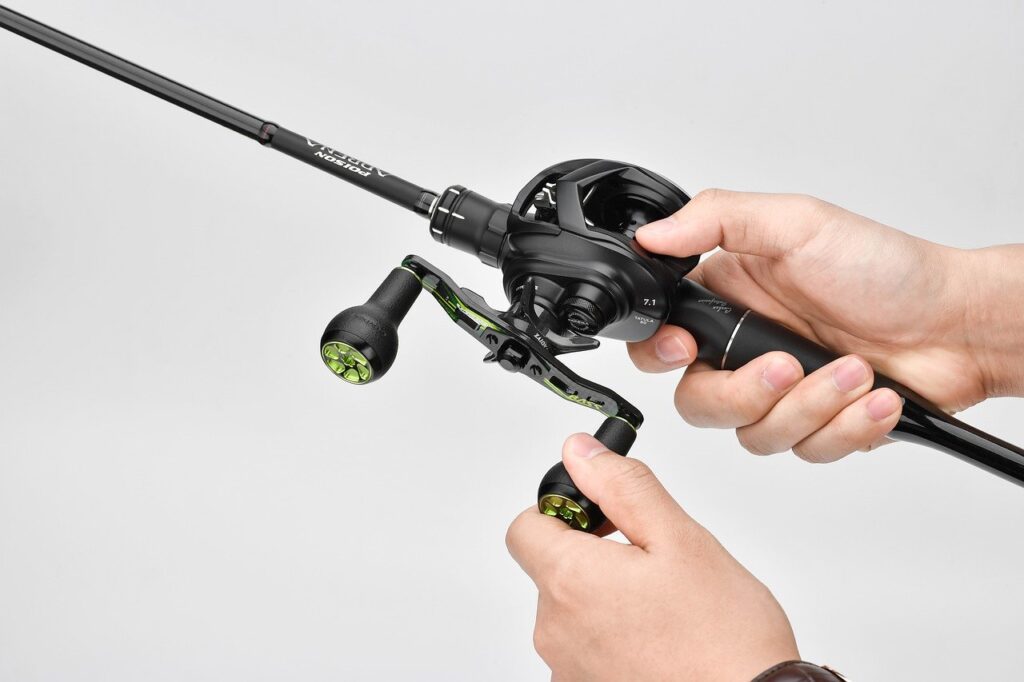
To start, a quality light spinning rod and reel combo is essential.
Look for a rod that’s sensitive enough to feel even the slightest nibbles and has enough backbone to handle a variety of fish species.
Pair this rod with a lightweight reel that provides smooth drag and is durable enough to withstand long days on the water.
In addition to the rod and reel, having the appropriate fishing line is key.
Opt for a light monofilament or fluorocarbon line with a test strength suitable for the species you’re targeting.
A good pair of polarized sunglasses can also greatly enhance your fishing experience by reducing glare and helping you spot fish more easily.
Lastly, don’t forget about the importance of having a well-organized tackle box filled with a variety of hooks, sinkers, swivels, and other terminal tackles.
Being prepared with the right gear won’t only increase your chances of success but also make your light tackle fishing adventures more enjoyable.
Choosing the Right Lures
Selecting the appropriate lures is vital for maximizing your success in light tackle fishing.
When choosing lures, consider the type of fish you’re targeting and the water conditions you’ll be fishing in.
For light tackle fishing, it’s essential to opt for smaller, lightweight lures that mimic the natural prey of the fish you’re after.
Look for lures that are easy to cast with your light tackle setup, such as spinners, jigs, or small crankbaits.
Soft plastic lures are another great option for light tackle fishing, as they offer a realistic feel and movement that can entice even the most cautious fish.
Additionally, topwater lures like poppers or floating minnows can be effective for targeting fish near the surface.
Remember to match the color of your lure to the natural surroundings and the water clarity for better results.
Experiment with different types of lures to see what works best for the specific fish species you’re targeting.
By choosing the right lures for light tackle fishing, you can increase your chances of a successful and enjoyable fishing outing.
Techniques for Light Tackle Success
To achieve success in light tackle fishing, mastering effective techniques is essential.
When using light tackle, finesse is key.
Start by learning how to cast accurately and quietly.
Light lures can spook fish if they hit the water too hard.
Practice casting gently to mimic natural bait falling into the water.
Another crucial technique is to vary your retrieval speed.
Experiment with different speeds to see what entices the fish.
Sometimes a slow, steady retrieve works best, while other times a quick, erratic retrieve may trigger more strikes.
Additionally, pay close attention to your line tension.
Light tackle requires a delicate touch.
Keep the line taut enough to feel the slightest nibble but not so tight that it scares off the fish.
Master the art of setting the hook swiftly but gently to secure your catch.
Lastly, be patient and observant.
Light tackle fishing requires finesse and precision.
Take your time, watch for subtle movements in the water, and be ready to react quickly when a fish strikes.
Maintenance and Care Tips
Proper maintenance and care of your light fishing tackle are crucial for ensuring its longevity and optimal performance.
To keep your gear in top condition, regularly inspect it for any signs of wear or damage.
Clean your rods, reels, and lines after each use, removing any dirt, salt, or debris that could cause corrosion or weaken the materials.
Store your tackle in a cool, dry place away from direct sunlight to prevent warping or fading.
When maintaining your reels, lubricate moving parts with a reel oil or grease designed for fishing equipment.
Check the drag system for smooth operation and adjust as needed.
Replace any worn-out or damaged components promptly to avoid further issues down the line.
For rods, check the guides for any cracks or nicks that could damage your line.
Secure loose reel seats or grips to prevent accidents while fishing.
So there you have it – the essential guide to light tackle fishing.
With the right gear, lures, techniques, and maintenance tips, you’ll be well on your way to enjoying the thrill and excitement of this immersive fishing experience.
Remember to stay patient, practice your casting skills, and always be prepared for the dynamic battles with fish.
Get out there and start reeling in those big catches by using Guide to Light Fishing Tackle!