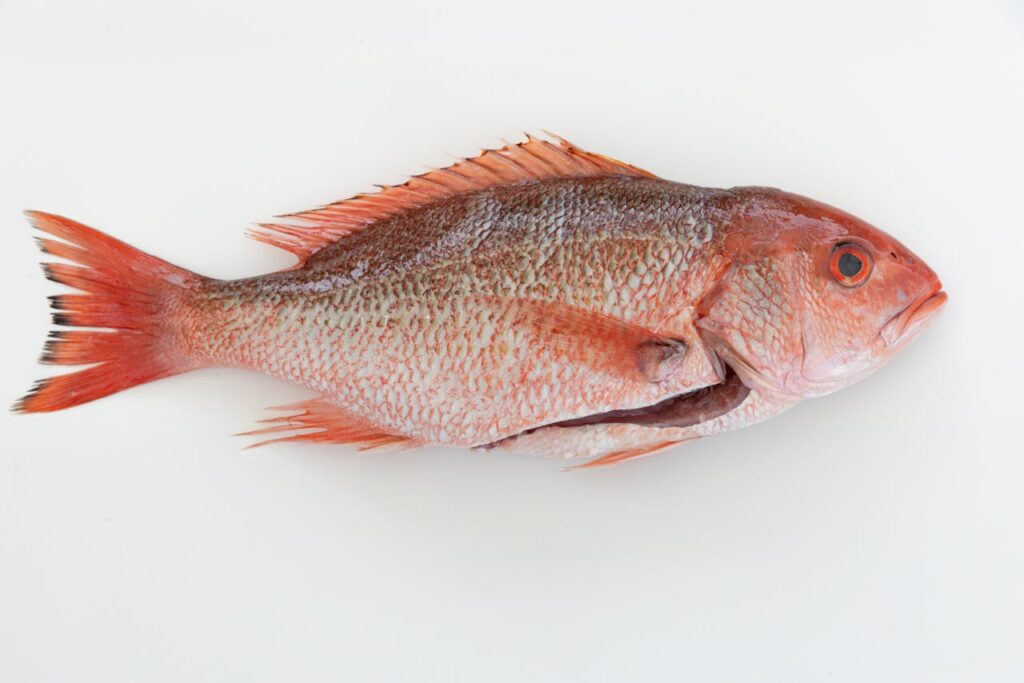
Fishing for Snapper
If you’re looking to catch snapper, understanding the species and their habits is crucial while fishing for snapper.
These fish are savvy and often found around reefs and wrecks.
Knowing the right techniques can make all the difference.
So, where should you go, and what times are best?
Plus, the gear you choose impacts your success rate significantly.
Let’s explore the essentials that can elevate your snapper-fishing experience.
Understanding Snapper Species
Understanding the various snapper species is crucial for a successful catch when you enter the world of snapper fishing.
You’ll encounter several types, but two of the most popular are the red snapper and the yellowtail snapper.
Red snappers are known for their vibrant color and firm texture, making them a prized catch.
On the other hand, yellowtail snappers boast a milder flavor and are often easier to find in shallow waters.
Each species has different habitat preferences and feeding habits, so it’s essential to research where they’re likely to be.
Familiarizing yourself with their characteristics will help you adapt your approach, increasing your chances of landing that perfect snapper.
Happy fishing!
Best Fishing Techniques for Snapper
Knowing the different snapper species lays the groundwork for choosing the right fishing techniques.
For instance, if you’re targeting red snapper, opt for bottom fishing with heavy tackle.
Use live bait, such as pilchards or mullet, to entice them.
For mangrove snapper, try fishing near structures like reefs or mangroves using lighter gear and a variety of bait, including shrimp or squid.
Drift fishing can be effective, allowing you to cover more ground and locate active schools.
Consider using a popping cork for a more dynamic approach.
Don’t forget to pay attention to the tides; snapper often feed more aggressively during certain tidal phases.
Experiment with different depths and techniques until you find what works best for you.
Happy fishing!
Ideal Locations for Snapper Fishing
Finding the ideal locations for snapper fishing can significantly enhance your chances of success.
You’ll want to target reefs, wrecks, and structures where snapper love to hide.
Look for rocky bottoms and sandy areas near ledges, as these spots often attract baitfish, drawing in snapper.
Consider fishing around mangroves and estuaries, where young snapper tend to congregate.
If you’re near the coast, head to the continental shelf, where deeper waters can yield larger specimens.
Pay attention to tidal currents, as they can influence fish activity.
Also, don’t hesitate to ask local anglers for tips on their favorite spots; they often know the best-kept secrets.
With the right location, you’re one step closer to landing that prized snapper!
Optimal Times to Catch Snapper
Wondering when the best time to catch snapper is?
Timing can make all the difference in your fishing success.
Early mornings and late afternoons are prime times, as snapper tend to be more active during these hours.
Additionally, pay attention to the lunar phases; snapper often bite more during a full moon or new moon, as the increased light encourages feeding.
Tides play a crucial role too—fishing around high tide can yield better results since snapper move into shallower waters to hunt.
Don’t forget about seasonal variations: during warmer months, snapper are more likely to be near the surface.
So, plan your outings around these optimal times, and you’ll increase your chances of landing a great catch!
Essential Gear and Tackle for Snapper Fishing
To successfully reel in snapper, having the right gear and tackle is crucial.
Start with a sturdy medium to heavy-action rod, paired with a reliable spinning reel.
You’ll want a line rated between 20-30 pounds, as snapper can put up a good fight.
Use a strong leader line, ideally fluorocarbon, to reduce visibility underwater.
For bait, fresh cut fish, squid, or jigs work wonders.
Don’t forget to include circle hooks, which help prevent gut hooking and increase your chances of a successful catch.
Lastly, a tackle box filled with weights, swivels, and pliers will keep you organized and prepared.
With the right gear, you’ll be well on your way to landing that prized snapper.
In conclusion, fishing for snapper can be an incredibly rewarding experience when you know the right techniques and conditions.
By understanding the species, choosing the best locations, and timing your outings, you’ll significantly increase your chances of success.
Don’t forget to use sturdy gear to handle those strong fighters.
So, grab your tackle, head out during those prime times, and enjoy the thrill of reeling in a delicious snapper that you can proudly share with family and friends!