Best Baits to Use for Pan Fish
Best Baits to Use for Pan Fish
You’ve likely heard that live baits like worms and minnows are top choices for catching pan fish, but have you considered the nuances that could boost your success rates?
Matching the bait size to the fish you’re targeting is crucial.
For instance, small red worms are perfect for petite bluegills, while larger nightcrawlers might be more tempting to hefty perch.
It’s not just about choosing the right bait; how you hook them plays a pivotal role too.
So, what’s the most effective way to hook your bait to ensure you’re not just feeding the fish but actually catching them?
Let’s explore some techniques that might just change your approach.
Live Baits for Pan Fish
Live baits like worms and minnows are your best bet for catching pan fish effectively.
You’ve likely heard that the natural movement and scent of these baits are irresistible to fish, and it’s true.
When you’re targeting species like bluegill, crappie, or perch, using live bait can significantly increase your chances of success.
You’ll want to match the size of your bait to the fish you’re after.
For smaller pan fish, red worms or small minnows are ideal.
If you’re aiming for larger species, consider nightcrawlers or larger minnows.
Hooking the bait correctly is crucial as well.
For worms, thread them onto the hook to hide as much of it as possible, which makes the bait more appealing.
With minnows, hook them through the lips or the back just below the dorsal fin to keep them lively.
Artificial Lures Explained
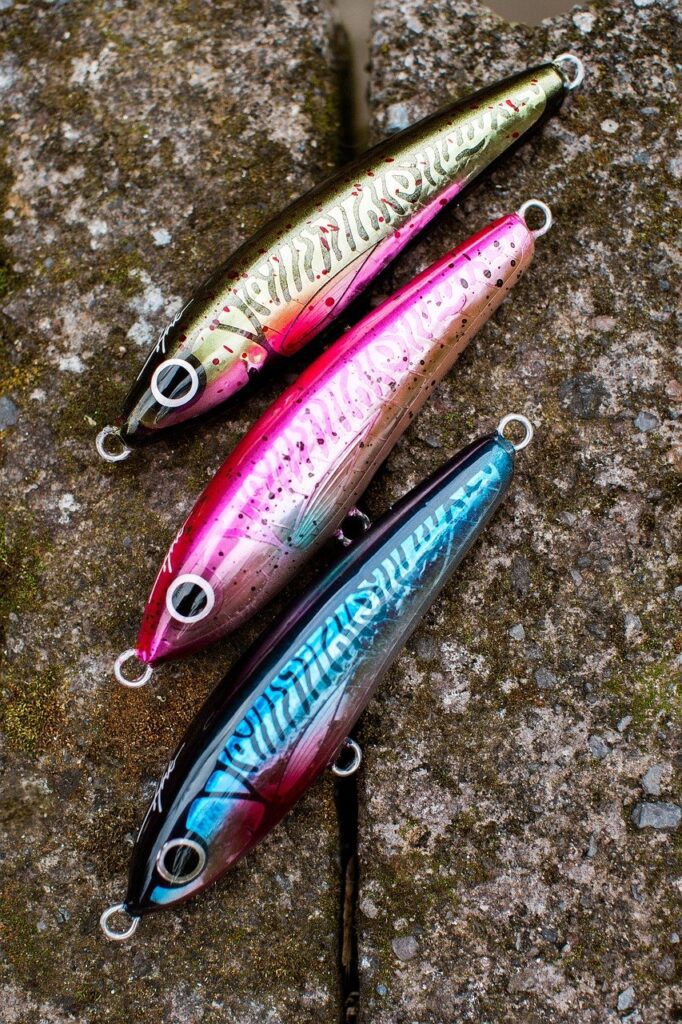
While live baits are highly effective, artificial lures offer versatility and can be just as successful in attracting pan fish.
You’ll find that these lures come in a dazzling array of shapes, sizes, and colors, each designed to target specific species or conditions.
Let’s dive into a few types that might just become your go-to choices.
First up are jig heads paired with soft plastics.
These are fantastic because you can switch out colors and shapes to mimic local prey.
Try using small twister tails or paddle tails for a lifelike movement that tempts crappies and bluegills.
You’re aiming for a subtle presentation, so light jig heads are usually your best bet.
Next, consider spinners.
These lures create vibration and flash that can be irresistible to many pan fish, especially in murky waters where visibility is low.
The spinning action mimics small baitfish, a staple in the diet of many pan fish.
Finally, don’t overlook the effectiveness of small crankbaits.
These lures can dive deep and attract fish with their wobbling action.
They’re particularly useful when you’re targeting deeper spots where sunfish and perch might be lurking.
Experimenting with these artificial lures can’t only be fun but also incredibly rewarding when you hook into those panfish.
Seasonal Bait Choices
As the seasons change, so should your bait selection to maximize your catch rates.
In spring, when water temperatures begin to rise, pan fish are drawn to spawn and are particularly aggressive.
This is your chance to use vibrant and lively artificial baits that mimic the youthful energy of nature reawakening.
Think about small spinners or jigs that can grab the attention of feisty pan fish.
Come summer, the water’s warmth increases insect activity, which in turn affects what you should be tossing on your line.
You’ll find success with insect-like lures or light-colored worms that reflect the sunny, bright conditions.
These baits are perfect as pan fish look to feed on the surface or just below.
As autumn rolls in, consider switching to baits that offer a bit of heft and mimic the naturally fattening prey of the season.
Small fish imitations or chunkier jigs can be ideal as the water cools and fish bulk up for winter.
Techniques for Bait Presentation
To effectively attract pan fish, it’s crucial to master the art of presenting your bait in the most enticing way possible.
You’ll want to pay close attention to how you manipulate your rod and line to mimic natural prey movements.
Start by ensuring your bait is secured properly; loose bait often leads to ineffective presentations and missed catches.
When using live bait, allow it some freedom to move; this natural movement can irresistibly attract pan fish.
For artificial lures, practice varying your retrieval speeds.
A slow retrieve can often pique the curiosity of fish, while a quicker retrieve might spark a reaction strike from more aggressive species.
It’s also essential to use light or ultra-light tackle to enhance the natural presentation of your bait.
Heavy gear can make your bait movements seem unnatural and deter fish.
Additionally, consider the depth at which you present your bait.
Panfish can sometimes be depth-specific feeders, so adjusting your bait to float or sink to the right depth can dramatically increase your success rate.
Locating Ideal Fishing Spots
Now that you’ve mastered bait presentation, finding the right spots will significantly boost your chances of catching pan fish.
You’ll want to look for areas where water conditions favor their feeding and breeding habits.
Shallow, warm waters with abundant vegetation are often hotspots.
These areas provide both food and protection for pan fish, making them ideal.
Start by scouting locations near structures such as weed beds, fallen trees, and docks.
These structures offer shelter and attract smaller fish, which in turn draw in pan fish.
Don’t overlook the importance of underwater features like drop-offs and creek mouths.
These transitional areas between different depths can be particularly lucrative, as pan fish often feed along these lines.
Another tip is to pay attention to the time of day.
Early morning and late afternoon are prime feeding times for pan fish.
During these periods, focus on areas where sunlight penetrates the water, warming it and increasing fish activity.
Lastly, keep an eye on the water’s edge.
Insects often fall into the water from overhanging branches, attracting hungry pan fish.
By casting near these natural feeding grounds, you’ll increase your catch rate.
Now that you’ve got the scoop on the best baits and techniques for catching pan fish, head out and put your knowledge to the test.
Remember, choosing the right bait and presenting it effectively are key to your success.
Whether you’re using live bait or artificial lures, adapting to the season, and finding the perfect spot, you’re well on your way to a rewarding day of fishing.
So grab your gear, and let’s get fishing!